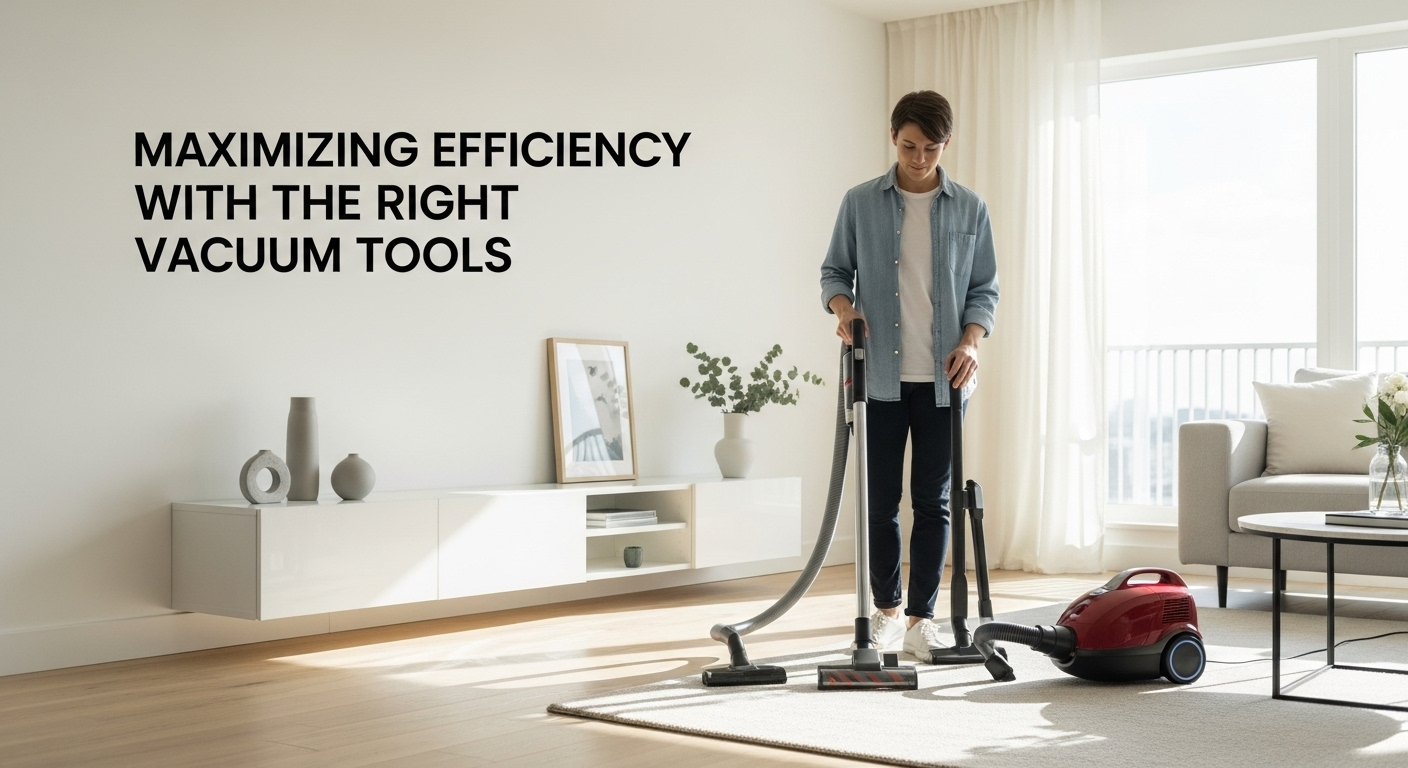
When it comes to Maximizing Efficiency with the Right Vacuum Tools, most people think it’s just about buying a good vacuum cleaner. But here’s the truth: your vacuum is only as powerful as the tools and attachments you use with it.
Choosing the correct vacuum tools can cut cleaning time in half, improve suction performance, protect surfaces, and even extend the life of your machine. Whether you’re cleaning a home, office, or industrial space, using the right attachments makes all the difference.
In this comprehensive guide, we’ll explore everything you need to know about vacuum tools, how to select them, and how to use them effectively to maximize efficiency.
Understanding Vacuum Tools and Why They Matter
Vacuum tools are specialized attachments designed to help clean specific surfaces and hard-to-reach areas. They improve performance by directing suction power exactly where it’s needed.
Without the right tools:
- Dirt remains embedded in carpets
- Corners and edges collect dust
- Upholstery gets damaged
- Cleaning takes much longer
With the right tools:
- Cleaning becomes faster
- Surfaces stay protected
- Energy usage is optimized
- Results look professionally done
That’s the power of smart equipment selection.
Types of Vacuum Tools and Their Uses
1. Crevice Tool
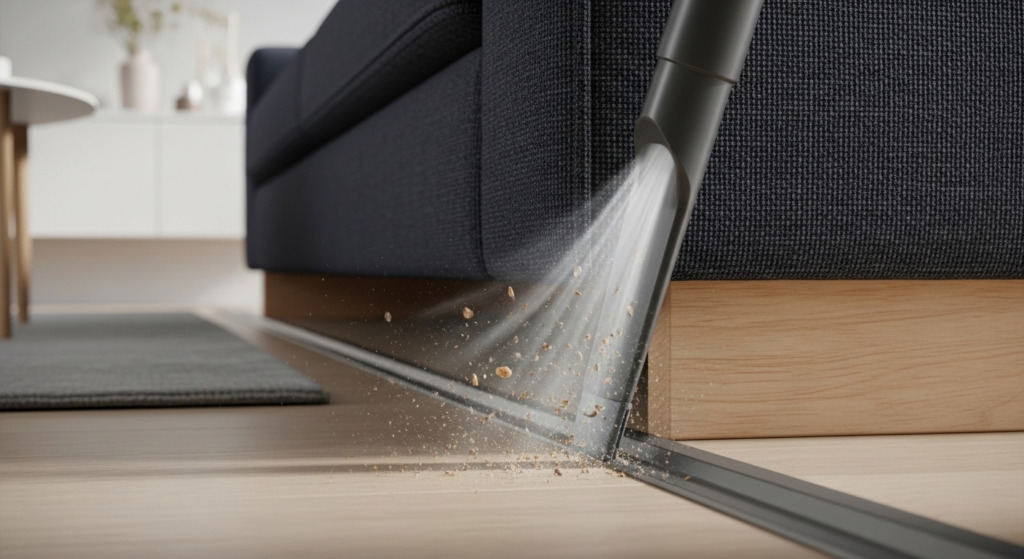
A narrow attachment designed to clean tight spaces, such as:
- Between couch cushions
- Along baseboards
- Inside car interiors
- Window tracks
It allows concentrated suction in hard-to-reach areas.
2. Dusting Brush
Soft bristles gently loosen dust from:
- Blinds
- Lampshades
- Shelves
- Electronics
This tool prevents scratching delicate surfaces.
3. Upholstery Tool
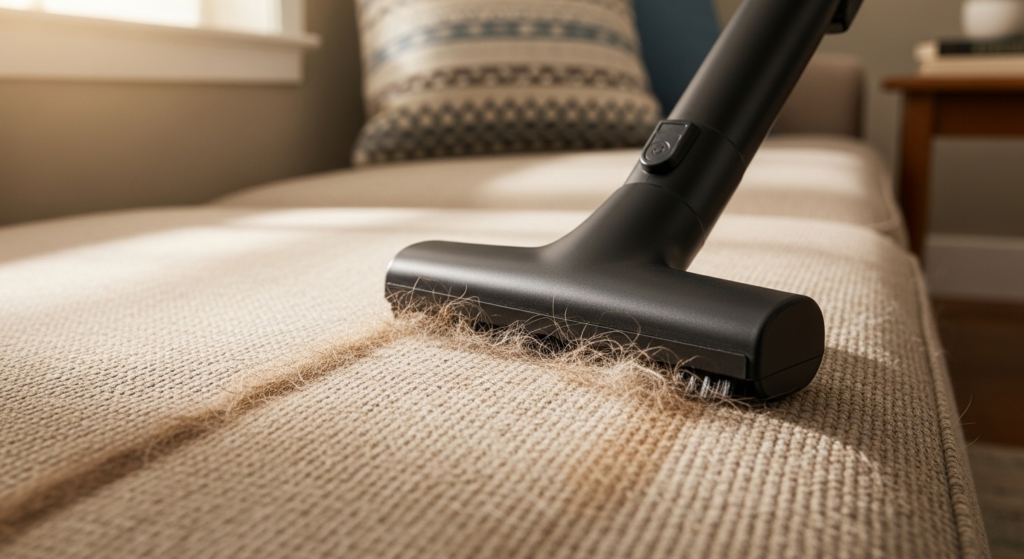
Perfect for:
- Sofas
- Chairs
- Mattresses
It removes pet hair, crumbs, and fine dust without damaging fabric.
4. Motorized Brush Roll
Best for:
- Thick carpets
- Pet-heavy households
The rotating brush lifts embedded dirt and hair efficiently.
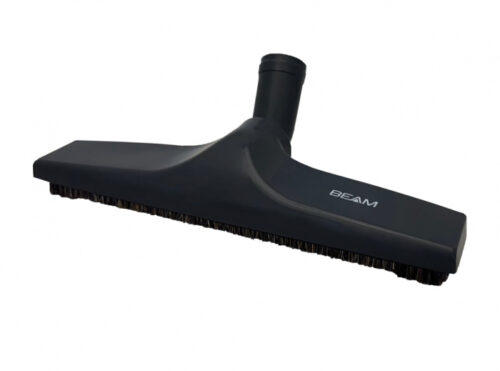
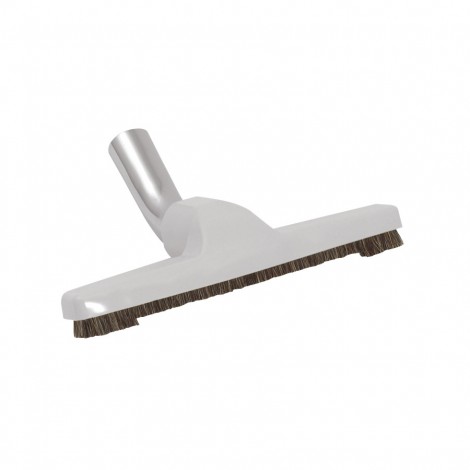
5. Hard Floor Tool
Designed for:
- Hardwood
- Tile
- Laminate
It prevents scratching while maintaining strong suction.
How the Right Vacuum Tools Improve Cleaning Efficiency
Better Dirt Extraction
Motorized tools agitate carpet fibers, allowing suction to remove deeply embedded particles.
Reduced Cleaning Time
Specialized tools eliminate the need to go over the same spot repeatedly.
Energy Savings
When airflow isn’t blocked by improper attachments, your vacuum motor runs more efficiently.
Extended Equipment Lifespan
Using appropriate tools reduces strain on internal components.
Choosing the Right Vacuum Tools for Your Needs
When selecting attachments, consider:
1. Surface Type
- Carpeted areas require brush rolls.
- Hardwood floors need soft-bristle tools.
2. Environment
- Homes with pets benefit from turbo brushes.
- Offices may require wide floor tools for large spaces.
3. Frequency of Use
If you vacuum daily, invest in durable, high-quality attachments.
4. Compatibility
Always ensure attachments fit your vacuum model. Check manufacturer recommendations.
Maintenance Tips for Optimal Performance
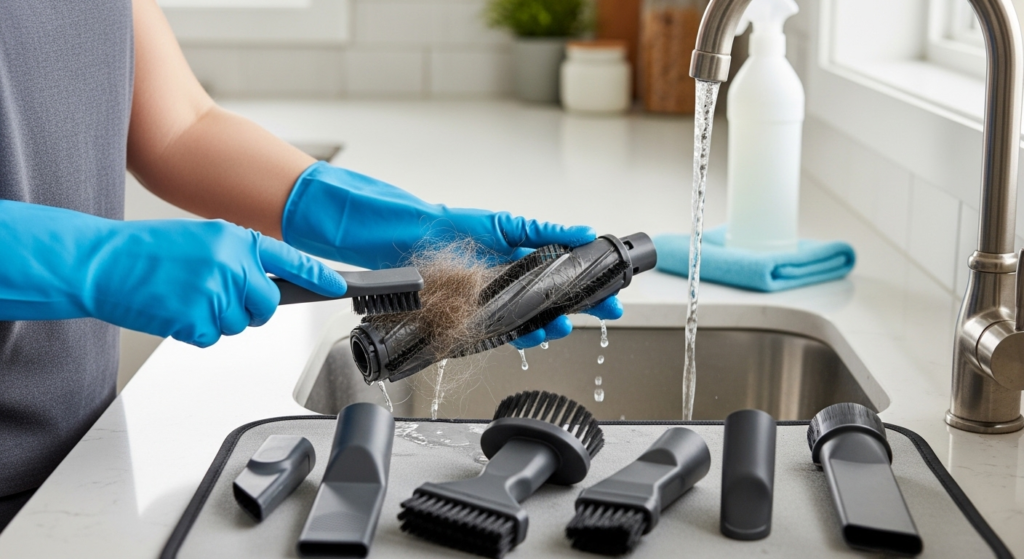
To truly achieve Maximizing Efficiency with the Right Vacuum Tools, maintenance is essential.
Clean Attachments Regularly
Hair and debris can block airflow. Wash or wipe tools weekly.
Inspect for Damage
Cracked brushes or worn bristles reduce effectiveness.
Replace When Necessary
Attachments wear out over time. Replacing them restores full performance.
Check Airflow Paths
Ensure hoses and connectors remain unclogged.
Advanced Tools for Professional-Level Efficiency
HEPA Filtration Attachments
Ideal for allergy sufferers. They trap microscopic particles.
For more details on HEPA standards, visit the U.S. Environmental Protection Agency:
https://www.epa.gov/indoor-air-quality-iaq/what-hepa-filter
Extension Wands
Help clean:
- Ceiling corners
- High shelves
- Curtain rods
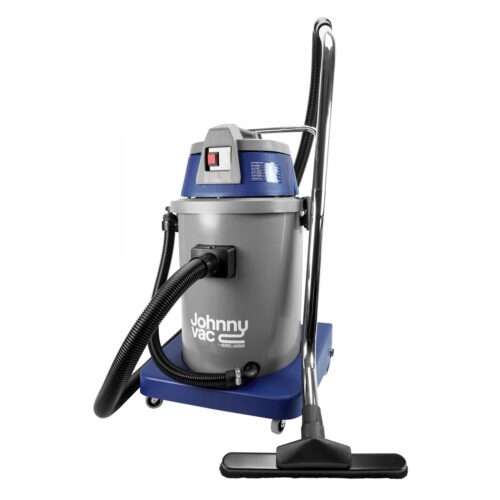
Wide-Area Commercial Tools
Used in large buildings for faster coverage.
Common Mistakes That Reduce Efficiency
- Using a carpet brush on hardwood floors
- Ignoring clogged attachments
- Overfilling vacuum bags
- Skipping regular filter changes
Avoiding these mistakes dramatically improves results.
The Science Behind Suction Power and Tool Design
Vacuum efficiency depends on airflow dynamics. Narrow tools increase suction intensity by concentrating airflow. Wide tools distribute suction for broader cleaning areas.
Understanding this helps you select the right attachment for each job.
Pet Owners: Special Considerations
If you have pets:
- Use turbo brushes for hair removal
- Clean tools after every session
- Consider anti-tangle brush rolls
These adjustments can save hours of effort weekly.
Industrial vs. Residential Vacuum Tools
| Feature | Residential Tools | Industrial Tools |
| Size | Compact | Large |
| Power | Moderate | High |
| Durability | Standard | Heavy-duty |
| Application | Home cleaning | Warehouses, factories |
Industrial tools prioritize durability and wide-area cleaning.
Ergonomics and Comfort Matter
Efficiency isn’t just about power, it’s also about user comfort.
- Lightweight attachments reduce fatigue
- Swivel heads improve maneuverability
- Adjustable handles enhance control
Comfortable cleaning leads to better results.
Environmental Impact and Energy Efficiency
Using the correct tools reduces energy waste. When suction flows freely and surfaces are cleaned properly, less time and electricity are required.
Eco-friendly vacuum tools made from recycled materials are also becoming popular.
Cost vs. Value: Are Premium Tools Worth It?
Higher-quality tools:
- Last longer
- Improve suction
- Reduce replacement frequency
While cheaper tools save money upfront, premium attachments often provide better long-term value.
FAQs
1. Do vacuum attachments really make a difference?
Yes. The correct attachment improves suction direction and surface protection.
2. How often should vacuum tools be cleaned?
At least once a week, or more frequently in pet-heavy homes.
3. Can I use one tool for all surfaces?
It’s not recommended. Different surfaces require specialized tools.
4. What is the best tool for pet hair?
A motorized turbo brush works best for lifting embedded hair.
5. Do HEPA tools improve air quality?
Yes, they trap fine dust and allergens effectively.
6. How do I know if my attachment is worn out?
Look for flattened bristles, cracks, or reduced suction performance.
Conclusion: Smarter Tools, Smarter Cleaning
In the end, Maximizing Efficiency with the Right Vacuum Tools isn’t complicated it’s about being intentional.
When you:
- Choose the right attachment
- Maintain it properly
- Match it to your surface type
You clean faster, protect your home, and extend your vacuum’s lifespan.
Don’t underestimate the power of the right tool. With proper knowledge and smart choices, you can transform ordinary cleaning into an efficient, high-performance routine.